
How Much Does a Paver Patio Cost in Colorado?
A professionally installed paver patio can completely transform a Colorado backyard, creating a dedicated space for outdoor dining, entertaining, relaxing, grilling, or gathering around a fire pit.
One of the first questions homeowners ask when planning a patio is:
"How much does a paver patio cost in Colorado?"
The answer depends on several factors, including the size of the patio, paver material, site conditions, excavation, drainage, accessibility, design complexity, and additional features.
For a simple patio, the cost can be significantly different from a large custom outdoor living space with retaining walls, steps, an outdoor kitchen, fire pit, lighting, and extensive landscaping.
At Premier Custom Landscapes, we design and install custom paver patios throughout Northern Colorado. We approach patios as part of the overall landscape rather than simply installing a flat surface in the backyard.
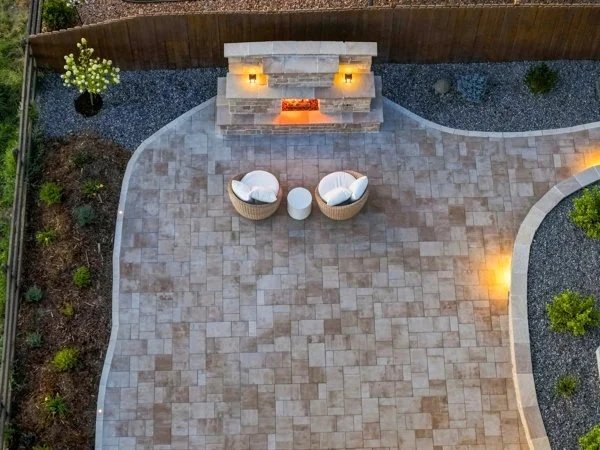
What Is a Paver Patio?
A paver patio is an outdoor living area constructed from individual paving stones installed over a properly prepared base.
Unlike a single slab of concrete, pavers are individual pieces that can be arranged in numerous patterns, colors, shapes, and configurations.
Common paver patio materials and styles can include:
Concrete pavers
Large-format pavers
Natural stone
Porcelain pavers
Brick-style pavers
Textured pavers
Multiple paver colors and patterns
The right choice depends on the appearance you're looking for, how the patio will be used, your home's architecture, and your overall landscape design.
What Determines the Cost of a Paver Patio?
There isn't one price per square foot that applies to every patio installation.
Two patios that are the same size can have very different costs because of the conditions surrounding each project.
Here are some of the biggest factors.
1. Patio Size
The size of the patio is one of the most obvious factors affecting cost.
A small patio designed for two chairs requires significantly less material and preparation than a large outdoor entertaining area.
Before deciding on the size, consider what you want to use the space for.
For example, a patio designed for:
Two chairs and a small table
will require considerably less space than one designed for:
Outdoor dining
Large furniture
Grill
Outdoor kitchen
Fire pit
Entertaining
The goal is to build a patio that's large enough to function comfortably without creating unnecessary expense.
2. Paver Material
The material you choose can have a significant effect on the overall project.
Pavers come in a wide range of styles and price points.
Some homeowners want a simple, clean appearance, while others want a high-end custom design using multiple sizes, colors, borders, or patterns.
Material selection should also complement the architecture of your home and the other materials being used throughout your landscape.
For example, the pavers can be coordinated with:
Exterior stone
Brick
Stucco
Retaining walls
Pool coping
Outdoor kitchens
Fire features
A professional landscape design can help ensure these materials don't look like separate projects.
3. Site Preparation and Excavation
One of the biggest factors homeowners sometimes overlook is what's underneath the patio.
A quality paver installation requires proper preparation.
Depending on the property, installation may require:
Excavation
Removal of existing landscaping
Removal of concrete
Soil preparation
Grading
Compaction
Base material
Sand or bedding material
The existing conditions of your backyard can have a major impact on the amount of preparation required.
A patio installed over a relatively level and accessible area may be straightforward.
A project requiring significant excavation or grade changes can be considerably more involved.
4. Drainage and Grading
Proper drainage is critical for a long-lasting patio.
Water needs to be directed away from the house and managed appropriately throughout the property.
During the design process, your contractor should consider:
Existing grades
Water flow
Downspouts
Patio elevation
Surrounding landscaping
Retaining walls
Drainage systems
In Colorado, where weather can change dramatically throughout the year, proper installation and drainage are particularly important.
A beautiful patio isn't successful if water consistently collects around it or drains toward your home.
5. Access to the Backyard
Access can also influence installation costs.
If equipment and materials can easily reach the backyard, excavation and material delivery may be relatively straightforward.
If access is limited, materials may need to be moved manually or equipment may require additional planning.
This is especially important for homes where the backyard can only be accessed through a narrow side yard.
A professional contractor should evaluate access before providing a final project estimate.
6. Patio Design
A simple rectangular patio is generally easier to install than a highly customized design.
Custom patios can incorporate:
Curved edges
Multiple paver sizes
Borders
Contrasting colors
Geometric patterns
Multiple elevations
Steps
Seat walls
Built-in features
A more complicated design requires additional planning and installation time.
However, the extra design work can create a much more distinctive outdoor living space.
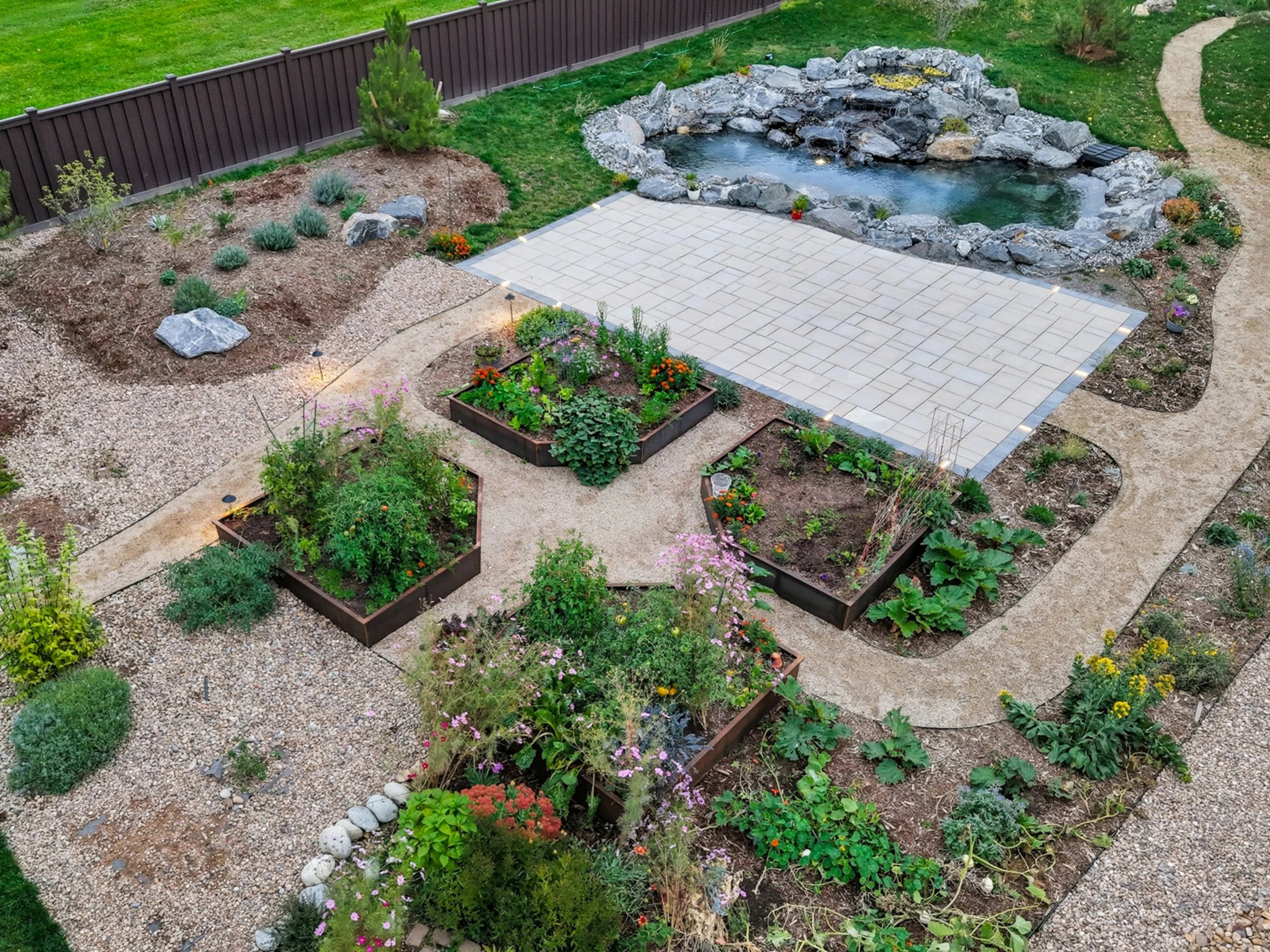
Adding Features to Your Paver Patio
One of the biggest advantages of designing a custom patio is the ability to incorporate other outdoor living features.
Outdoor Kitchens
If you enjoy cooking and entertaining outside, an outdoor kitchen can transform a patio into a true extension of your home.
Outdoor kitchens can include:
Grills
Countertops
Storage
Refrigeration
Bar seating
Dining areas
The patio should be designed around the kitchen rather than adding the kitchen after the patio has already been installed.
Fire Pits
A fire pit can become the focal point of a patio.
Depending on the design, you can incorporate:
Built-in seating
Seat walls
Landscape lighting
Decorative rock
Planting beds
A fire pit area can also be separated from the main dining area to create multiple outdoor gathering spaces.
Pergolas
A pergola can provide structure and definition to a patio.
It can create a dedicated space for:
Outdoor dining
Lounge furniture
Grilling
Entertaining
Pergolas can also provide an architectural transition between your house and the backyard.
Paver Patios and Swimming Pools
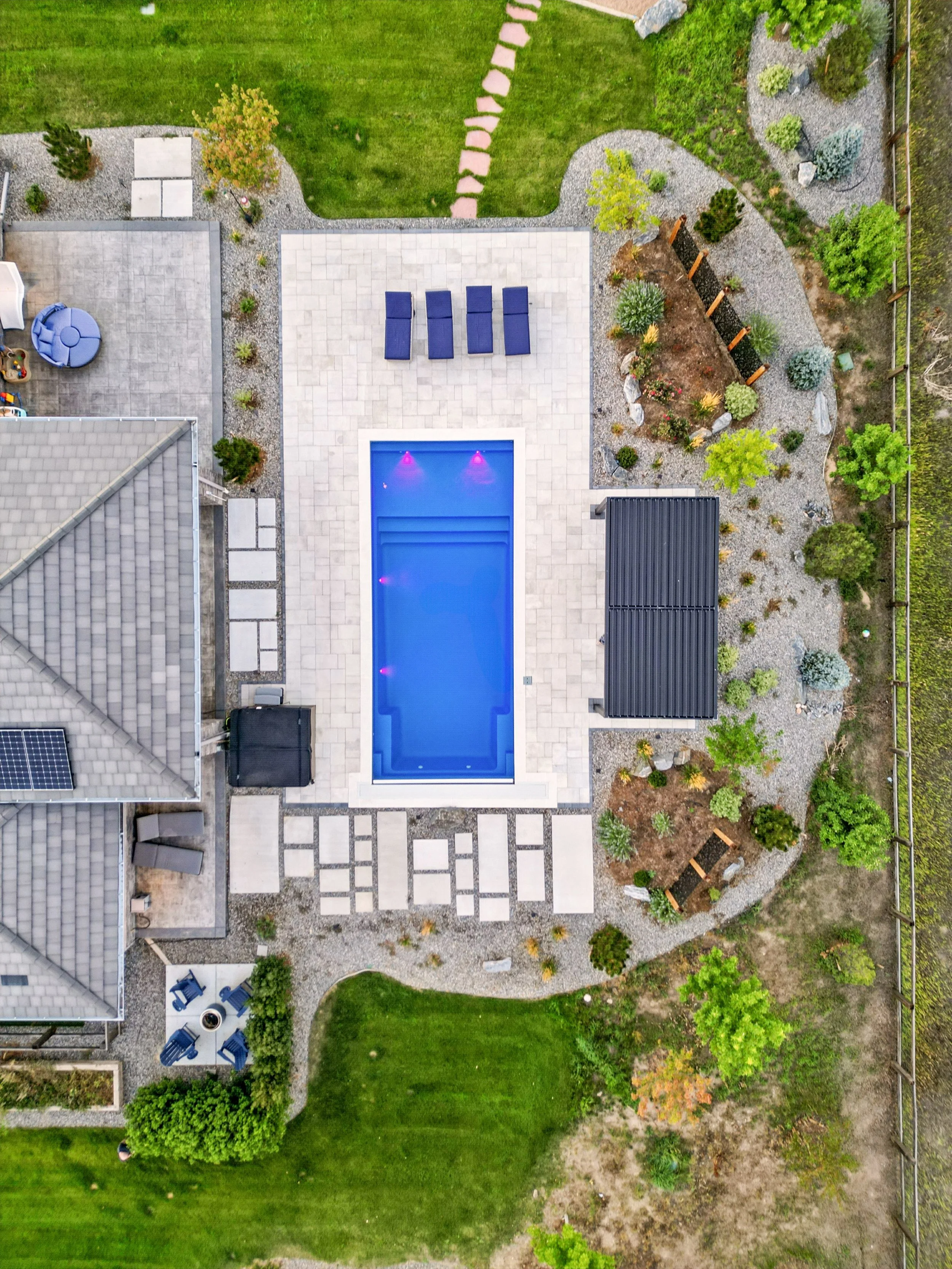
If you're considering installing a pool, your patio and pool deck should ideally be considered together.
A custom pool project can incorporate:
Pool
Paver patio
Pool deck
Landscaping
Outdoor kitchen
Fire pit
Retaining walls
Landscape lighting
This creates a cohesive backyard rather than a pool that appears to have been added to an existing landscape.
At Premier Custom Landscapes, we can incorporate pool areas into a larger landscape and outdoor living design.
Are Pavers Better Than Concrete?
Pavers and concrete can both be excellent patio materials.
One advantage of pavers is that individual pieces can potentially be removed and replaced if repairs are ever necessary.
Pavers also provide extensive design flexibility.
You can create patterns using different:
Sizes
Shapes
Colors
Borders
Textures
Concrete can also be an attractive and durable option, particularly when properly designed and installed.
The best material depends on your home's architecture, landscape design, budget, and personal preference.
How Long Does a Paver Patio Last?
A properly designed and professionally installed paver patio can provide many years of service.
The longevity of the patio depends on factors including:
Proper excavation
Base preparation
Drainage
Installation quality
Material quality
Soil conditions
Maintenance
The preparation underneath the pavers is just as important as the pavers themselves.
This is why choosing a contractor based solely on the lowest installation price can sometimes be risky.
A lower initial price may not represent the same level of site preparation or construction quality.
How to Get an Accurate Paver Patio Estimate
Online calculators can give you a general idea of patio costs, but they can't evaluate the conditions of your specific property.
For an accurate estimate, a contractor should evaluate:
Patio size
Existing surface
Excavation requirements
Soil conditions
Drainage
Grade
Access
Paver material
Design complexity
Additional features
It's also important to determine what you want the patio to accomplish.
A contractor can then help develop a design and scope that fits your goals.
Why Choose Premier Custom Landscapes?
Premier Custom Landscapes specializes in custom paver patio design and installation throughout Northern Colorado.
Our patio projects can be incorporated into larger outdoor living environments that include:
Landscape design
Landscaping
Paver patios
Walkways
Retaining walls
Outdoor kitchens
Fire pits
Pergolas
Landscape lighting
Custom pools
Fiberglass pools
Pool decks
Complete backyard transformations
Our goal is to make the patio feel like a natural part of the property rather than an isolated addition.
We serve homeowners throughout Erie, Longmont, Firestone, Frederick, Mead, Niwot, Boulder, Broomfield, Lafayette, Louisville, Fort Collins, and surrounding Northern Colorado communities.
Planning a Paver Patio in Colorado?
If you're considering a new patio, the best place to start is with a plan.
Think about how you want to use your backyard, how many people you typically entertain, whether you want an outdoor kitchen or fire pit, and whether you'll eventually add a pool or other outdoor living features.
A comprehensive landscape design can bring all of those elements together before construction begins.
Premier Custom Landscapes can help design and build a custom paver patio that fits your home, property, and lifestyle.
Contact us today to discuss your project and start planning your Northern Colorado outdoor living space.
Frequently Asked Questions
How much does a paver patio cost in Colorado?
The cost varies depending on the patio size, paver material, excavation, site conditions, drainage, access, design complexity, and additional features.
Are paver patios good for Colorado?
Yes. Properly designed and installed paver patios can be an excellent choice for Colorado homes. Proper base preparation, grading, drainage, and installation are important.
Are pavers better than concrete?
Neither is universally better. Pavers offer extensive design flexibility and allow individual units to be replaced, while concrete can provide a clean and versatile surface. The best option depends on your project.
How long does a paver patio take to install?
Installation time depends on the size and complexity of the project, site preparation, materials, access, weather, and whether additional features are included.
Can a paver patio include a fire pit?
Yes. Fire pits can be incorporated directly into a patio design along with seating, landscaping, lighting, and other outdoor living features.
Can you install a paver patio around a pool?
Yes. Pavers can be used for pool decks and surrounding outdoor living areas and can be coordinated with the pool, landscaping, and other backyard features.